MetaMask Login: Your Gateway to the Decentralized Web
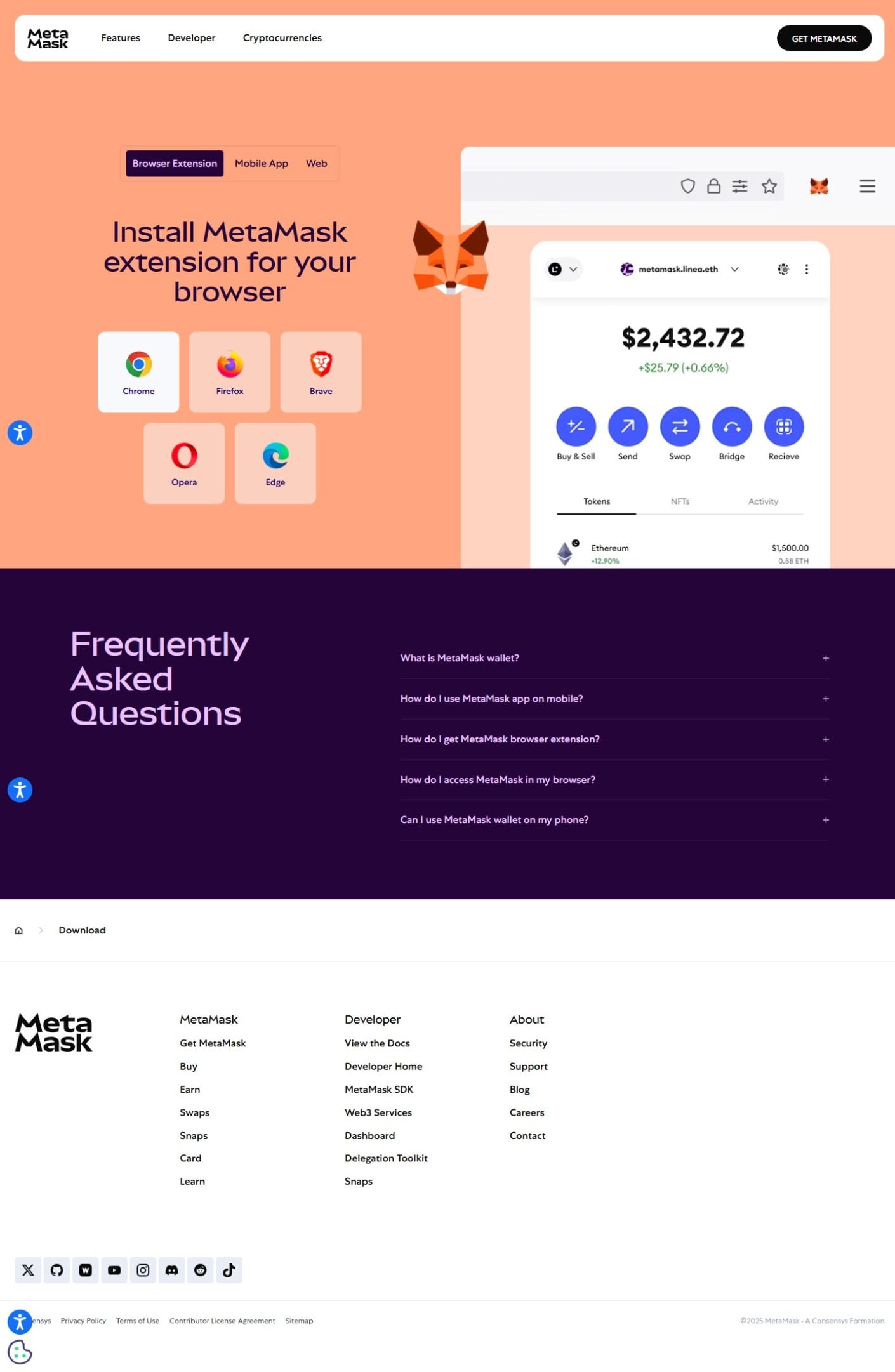
Mastering the Metamask Login: Your Gateway to Web3
Introduction to Metamask
Metamask is more than just a crypto wallet; it’s the primary login key for the decentralized web, or Web3. Instead of using usernames and passwords for each site, Metamask allows you to authenticate yourself using your unique digital identity on the blockchain. This shift represents a fundamental move towards user-controlled data and seamless interaction with applications like DeFi platforms, NFT marketplaces, and decentralized social networks.
How the Login Process Works
Logging in with Metamask is a uniquely simple yet secure process. When you visit a supported website, you’ll see an option to “Connect Wallet” or “Sign In with Metamask.” Clicking this prompts the Metamask extension or mobile app to open. It then requests your permission to connect the site to your wallet’s public address—think of this as your public username. Crucially, you never reveal your private keys or seed phrase. To finalize the login, you cryptographically sign a one-time message, proving you own the address without exposing any sensitive information. This signature is your undeniable digital signature.
Security Best Practices
The security of your Metamask login rests entirely in your hands. First, never, under any circumstances, share your 12-word secret recovery phrase. It is the master key to your wallet. Second, always double-check connection requests. Ensure you are on the legitimate website and that the permissions requested seem reasonable. Use a strong, unique password for your Metamask vault itself and consider using a hardware wallet for significant funds, which requires physical confirmation for every transaction and login signature.
The Future of Digital Identity
Logging in with Metamask is a glimpse into a future of self-sovereign identity. It removes centralized intermediaries that control and monetize your personal data. Your identity and assets become portable across countless applications, all secured by cryptography. As Web3 evolves, this login method is set to become as commonplace as email, putting you firmly in control of your online presence.